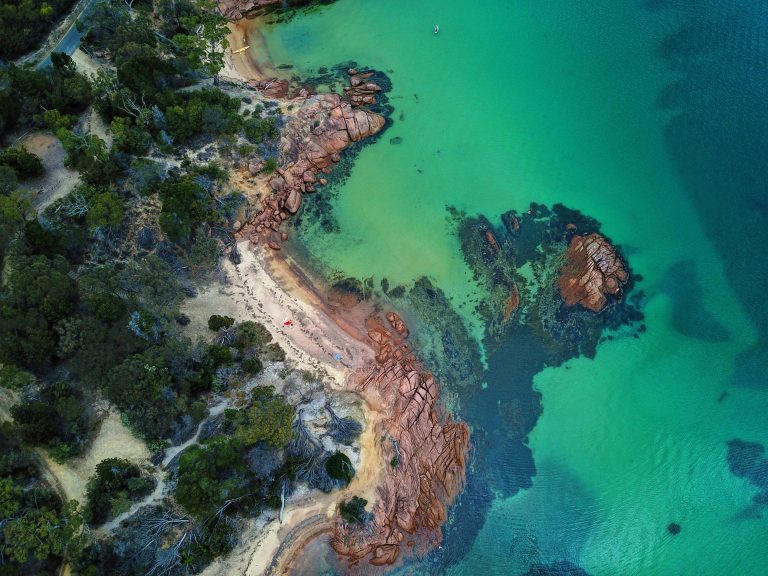
Chumbe Island Lodge offers a distinctive base in Chumbe Island, Zanzibar, Tanzania. Chumbe is first and foremost a conservation project: guest stays directly support the coral sanctuary, forest reserve and environmental education programmes.
Accommodation and character
Seven solar-powered eco-bungalows between beach and forest. The best category is not always the most expensive. Outlook, privacy, family configuration, distance from main areas and ease of access can matter more, so we match accommodation to the people travelling rather than treating every room as interchangeable.
The atmosphere is equally important. In remote safari camps, comfort is deliberately balanced with a sense of being in the landscape; at city, wine-country and beach properties, the value may instead come from architecture, location, food or access to the destination. We will confirm the current room configuration and inclusions for the actual travel dates.
Seven zero-impact eco-bungalows
Chumbe has only seven eco-bungalows, positioned between beach and forest. They use solar power, harvest rainwater and incorporate composting and wastewater systems designed to minimise environmental impact. Each has a raised sleeping area, living space, hammock and private bathroom.
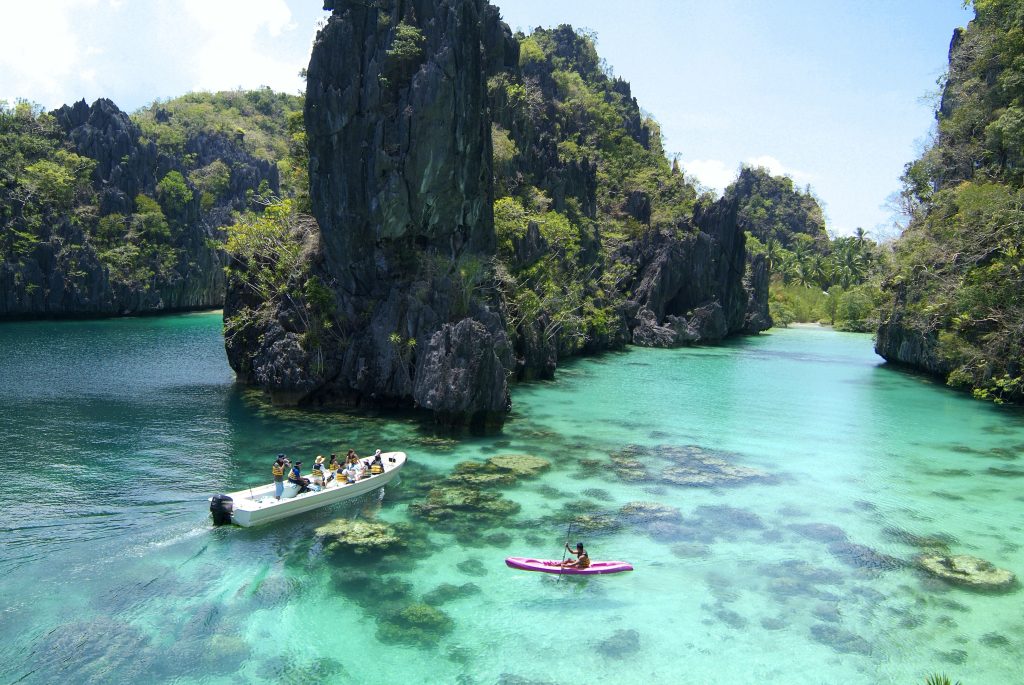
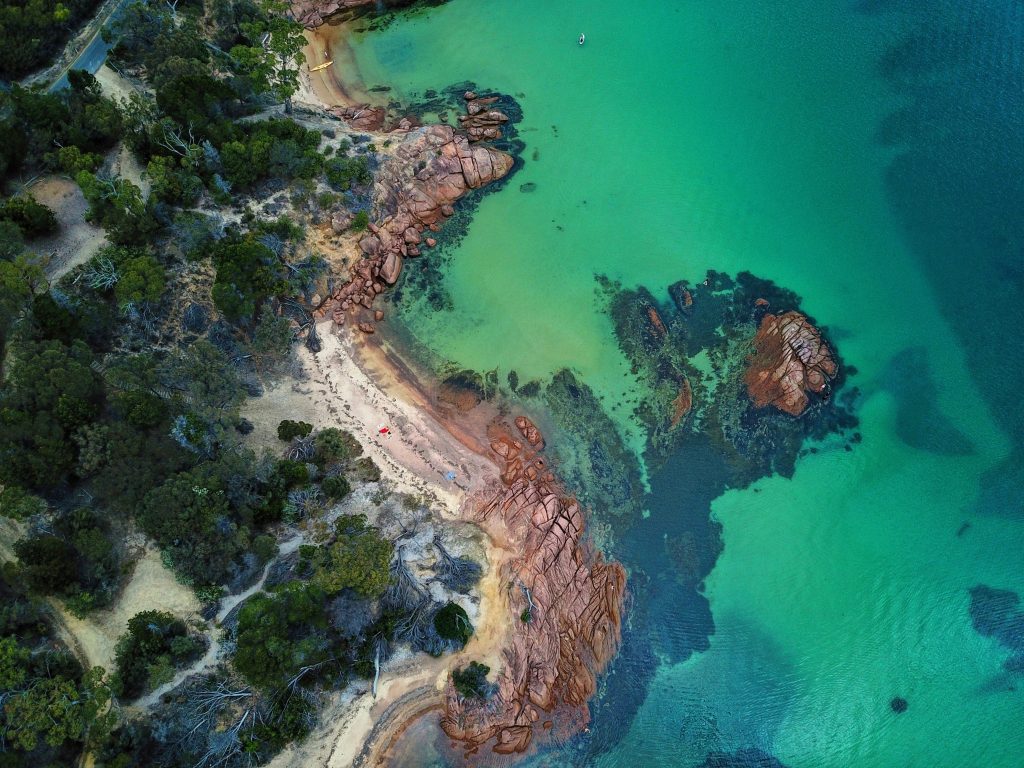
The island lies around 8 km west of Unguja and protects both a Coral Reef Sanctuary and Forest Reserve. Guided snorkelling and forest interpretation therefore matter more than conventional resort facilities. Revenue from tourism helps fund conservation management and environmental education for local schools and communities.
Experiences
Experiences can include guided reef snorkelling, forest walks, conservation interpretation and quiet island time. The exact programme depends on season, weather, wildlife movements, operating schedules and guest interests. We prefer to build a realistic day around the strongest opportunities rather than fill every hour simply because an activity is available.
Where wildlife is involved, sightings can never responsibly be guaranteed. Good guiding, time and flexibility are more valuable than a checklist. For cultural, marine or conservation experiences, we also favour activities that add genuine understanding of the destination rather than feeling like an obligatory excursion.
Dining and time at the property
Meals and downtime are part of the experience, particularly on multi-night stays. Depending on the property, dining may move between a restaurant, terrace, deck, fireside, beach or bush setting. Dietary requirements should be advised before travel, especially at remote camps where supplies and menus require advance planning.
We also deliberately leave breathing space. A long lunch, an afternoon by a pool, watching a waterhole, walking through a garden or simply sitting on a private deck can be as memorable as another scheduled excursion. A good itinerary should not make guests feel they need a holiday after the holiday.
Highlights
- Strong sense of place in Chumbe Island, Zanzibar
- Seven solar-powered eco-bungalows between beach and forest
- Guided reef snorkelling, forest walks, conservation interpretation and quiet island time
- Suitable for a carefully paced Tanzania itinerary
- Room, transfer and activity planning tailored to the guests
- Private Hideaway Escapes can combine the stay with complementary destinations
Good to know
Rates, inclusions, transfer arrangements and operating dates can change, so Private Hideaway Escapes will confirm them for the requested dates. For remote properties we also check light-aircraft baggage rules, road-transfer times, age restrictions and seasonal access. At coastal properties we consider tides and weather; in cities and wine regions we look at location and the amount of touring guests actually want to do.
Length of stay matters. Two nights may be enough for a compact city stop, while three or more can transform a safari, island or wilderness stay by allowing weather and wildlife to dictate the pace. We will advise on the balance rather than automatically applying the same number of nights everywhere.
Why stay at Chumbe Island Lodge?
Chumbe is first and foremost a conservation project: guest stays directly support the coral sanctuary, forest reserve and environmental education programmes. For the right itinerary, it provides a clear change of landscape, pace or experience rather than simply another bed for the night. Private Hideaway Escapes can arrange the property as part of a complete tailor-made journey, including the most appropriate accommodation, transfers and onward routing.